
November 23, 2026
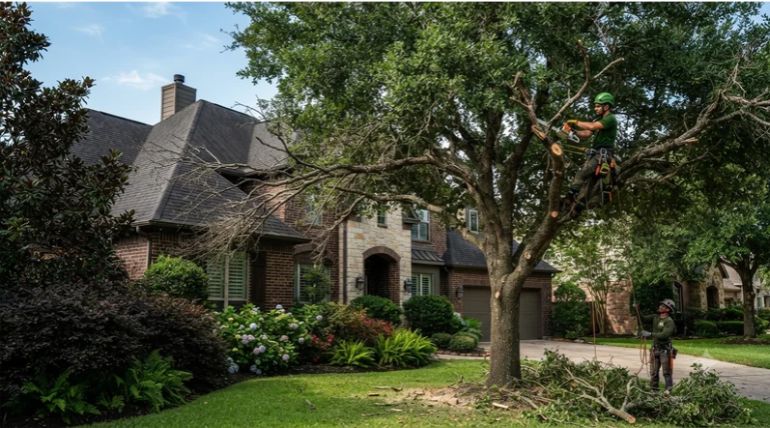
Residential Tree Trimming Houston helps homeowners protect their property, maintain healthy trees, and prevent branch-related hazards. Knowing which branches need removal can reduce safety risks and keep your landscape looking its best.
Which Tree Branches Should Be Removed?
Tree branches that generally need removal include dead, broken, diseased, cracked, crossing, rubbing, and structurally weak branches. Homeowners should also address hazardous limbs growing too close to roofs, driveways, and walkways. A professional tree inspection can determine which branches need selective pruning without harming the tree’s natural structure.
Why Is Residential Tree Trimming Houston Important?
Regular tree maintenance helps keep residential trees in good condition. It also allows homeowners to spot problems before they become serious.
The main benefits of residential tree trimming include:
- Improved tree health: Removing dead or diseased branches can help maintain healthy tree growth.
- Better property protection: Trimming branches near roofs, gutters, and other structures can reduce contact and damage risks.
- Safer outdoor spaces: Removing hazardous tree limbs can reduce the chance of falling branches.
- Better appearance: Proper pruning helps maintain a balanced and attractive tree canopy.
- Improved airflow: Selective pruning can reduce overcrowding within the canopy.
Professional tree pruning Houston TX services can also help identify weak branch connections and other structural concerns that homeowners may overlook.
7 Types of Tree Branches That Need Removal
Not every branch needs to be cut. Removing healthy branches without a clear reason can harm a tree. The goal of professional tree pruning is to remove problem branches while keeping the tree’s natural structure.
1. Dead and Dying Tree Branches
Dead tree branches are among the first things homeowners should check. They may look dry, brittle, or lifeless and can break without warning, especially during strong winds.
Common signs of dead branches include:
- No leaves during the tree’s normal growing season.
- Dry, brittle, or peeling bark.
- Broken tips and visible decay.
- Branches that snap easily.
Dead branch removal helps reduce falling debris and removes deadwood from the canopy. However, some branches may be dormant rather than dead, so a proper tree branch inspection is important before cutting.
2. Broken or Cracked Tree Limbs
Broken tree limbs can become dangerous when they remain attached to the tree. Heavy rain, strong winds, and storm damage can cause branches to split or hang loosely.
Watch for:
- Large cracks along a branch.
- Limbs hanging at unusual angles.
- Split branch connections.
- Branches that appear partially detached.
Why broken branches should be removed depends on their size, location, and stability. Large or hanging limbs should be assessed by a professional rather than handled through DIY tree limb removal.
3. Diseased or Decaying Tree Branches
Diseased tree branches may show signs of fungal growth, unusual discoloration, dead patches, or soft and decaying wood.
Can diseased branches damage a healthy tree? Some diseases can spread through plant tissue, while others mainly affect a specific area. The right response depends on the cause.
A professional arborist can perform a tree health assessment and decide whether selective branch removal is needed. Removing the wrong branches will not always solve the underlying problem.
4. Overhanging Branches Near Roofs and Buildings
Overhanging tree branches can create problems when they grow too close to your home. During storms, moving branches may scrape roofing materials, damage gutters, or strike windows.
If you notice tree branches touching your roof, consider a professional inspection.
A residential tree service Houston specialist can assess:
- Branches touching or hanging over the roof.
- Limbs growing close to windows and siding.
- Branches interfering with gutters.
- Large limbs extending over garages or outdoor structures.
Should overhanging branches be removed? Not always. Some may only need selective trimming to provide enough clearance while preserving the tree’s natural shape.
5. Low-Hanging Tree Branches
Low-hanging branches can block sidewalks, driveways, and outdoor areas. They may also interfere with vehicles and create obstacles for people walking around your property.
Professional tree limb trimming Houston services can help improve clearance without removing more of the canopy than necessary.
One common technique is crown raising, which involves removing selected lower branches to create more space underneath the tree.
6. Crossing and Rubbing Branches
Crossing branches grow toward or against other branches. When they rub together, repeated movement can damage the bark and create openings where decay may develop.
Signs to watch for include:
- Branches touching or rubbing against each other.
- Damaged bark at contact points.
- Crowded growth inside the canopy.
- Branches competing for the same space.
Selective pruning can reduce this problem and improve tree structure. A professional tree trimming company Houston homeowners hire should understand which branch to remove while keeping the tree balanced.
7. Weak or Structurally Damaged Branches
Some branches have weak connections to the main trunk. This can increase their chance of breaking under heavy loads or strong winds.
Look for narrow branch unions, cracks, included bark, and codominant stems. These features may indicate structural concerns.
Structural pruning helps improve branch arrangement and tree stability over time. However, removing large structural limbs requires careful planning because excessive cutting can weaken the tree further.
How to Identify Dangerous Tree Limbs Before They Fall
Homeowners can perform simple visual checks from a safe location. Look for signs that a tree needs professional trimming, especially after storms.
Pay attention to:
- Large dead branches in the upper canopy.
- Cracked or hanging tree limbs.
- Branches touching your roof or other structures.
- Visible decay or fungal growth.
- Branches with weak or split connections.
- Heavy limbs leaning over driveways or outdoor areas.
If a large branch is hanging over your property or appears unstable, keep people away from the area and arrange a professional inspection.
Never climb a tree to inspect damaged limbs or attempt to cut branches near electrical lines. Contact the utility company about vegetation near power lines.
When Should Houston Homeowners Schedule Tree Trimming?
The right time for tree trimming depends on the tree species, its condition, and the type of work required.
Houston homeowners should consider these situations:
- Routine maintenance: Inspect residential trees regularly and schedule pruning based on their growth and health.
- After storms: Check for broken limbs, hanging deadwood, and visible cracks.
- Before problems grow: Address branches that are getting too close to roofs, walkways, and driveways.
- When disease appears: Ask an arborist to assess unusual growth, decay, or damaged branches.
How often should residential trees be trimmed? There is no single schedule for every tree. Species, age, health, and location all affect pruning needs.
Also, avoid removing too much of the canopy at once. Crown cleaning removes selected dead, dying, and broken branches, while crown thinning selectively reduces branch density. Both require proper pruning techniques.
Why Hire Professional Tree Trimming Services in Houston?
Tree branch trimming may look simple, but removing large or poorly placed limbs can be risky. Incorrect pruning cuts can damage the branch collar, leave poor wounds, and affect future tree growth.
Professional tree trimming Houston services can help homeowners with:
- Identifying dead, damaged, and hazardous branches.
- Using proper pruning cuts and placement.
- Maintaining the tree’s natural shape.
- Performing selective branch removal.
- Managing branches near homes and other structures.
- Cleaning up removed branches and debris.
When comparing tree trimming contractors Houston homeowners should check, ask about insurance, relevant experience, written estimates, and pruning methods. Look for professionals who follow recognized tree pruning standards, such as ANSI A300, where applicable.
If you are searching for tree trimming near me or residential tree pruning services, choose a company that explains why particular branches need removal instead of recommending unnecessary cutting.
Conclusion:
Knowing which branches need removal is an important part of maintaining healthy residential trees. Dead branches, broken limbs, diseased growth, overhanging branches, low-hanging limbs, crossing branches, and weak branch connections can all require attention.
However, removing too many branches can also harm a tree. The best approach is to focus on selective pruning, proper pruning cuts, and regular tree inspections.
For Houston homeowners, addressing damaged and hazardous branches before they become bigger problems can help protect roofs, driveways, landscaping, and outdoor spaces.
Frankie Garcia Landscape can help you maintain a clean, attractive, and well-cared-for residential landscape. If your trees have dead branches, storm damage, or overgrown limbs, contact our team to discuss your tree care needs.
Need professional Residential Tree Trimming Houston services? Contact Frankie Garcia Landscape today and request your free quote!