
September 16, 2025
Introduction
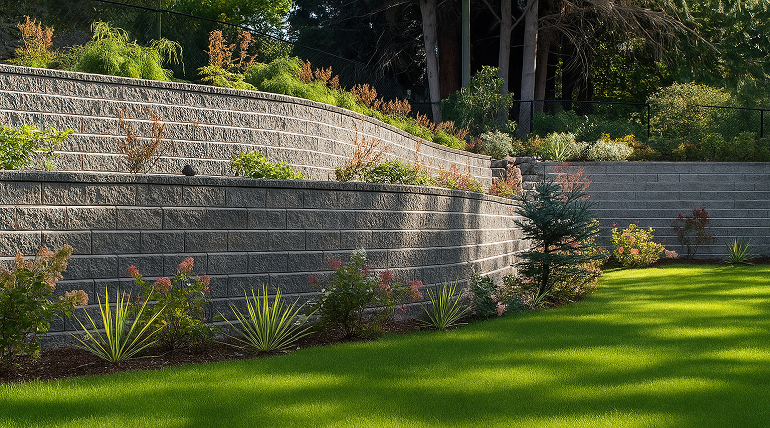
A well-built retaining wall does more than just hold back soil; it enhances the beauty, usability, and value of your property. At Frankie Garcia Landscape, we design and build retaining walls in Houston, TX, that are both durable and aesthetically pleasing. Frankiegarcia Landscape But even the strongest wall will need upkeep over time. With regular maintenance, you can ensure your retaining wall remains functional and beautiful for years to come.
Here’s how to maintain your retaining wall for longevity, focusing on seasonal checkups, water management, repairs, sealing, and cleaning.
Why Maintenance Matters
Retaining walls in Houston face challenges: heavy rainfall, soil with clay content that shifts with moisture, fluctuating temperatures, and occasional freeze-thaw cycles. Even if a wall is built using stone, concrete, brick, or timber that Frankie Garcia Landscape offers, neglecting maintenance can lead to cracks, bulges, erosion, or worse.
Maintaining your wall isn’t just about keeping it looking good; it’s about protecting your investment, ensuring safety, preserving structural integrity, and avoiding costly repairs.
Seasonal Checkups
One of the most effective ways to extend the life of your retaining wall is by doing seasonal inspections, ideally four times a year. Here’s what to look for in each season:
- Spring: After heavy winter rains or any freezing weather, inspect for signs of shifting or settling. Look for cracks, bulges, or lean. Check drainage systems to ensure that spring rains don’t saturate the soil behind the wall.
- Summer: Heat and sun can dry out mortar joints and wood, causing splitting or weakening. Also, vegetation grows rapidly; roots can push against the wall or intake moisture. Trim back plants, trees, or vines that grow too close.
- Fall: As leaves fall, they can block drainage paths or gutters. Clear debris so that water flows away from the wall. Also inspect for any mortar mortar deterioration or sealant breakdown.
- Winter: If temperatures drop low, moisture in cracks or joints can freeze and expand causing damage. Make sure water isn’t pooling behind or on the wall surface. Remove snow and ice promptly if they accumulate.
During checkups, walk the full length of the wall. Observe both the front face and the back (if accessible). Note uneven settling, sagging areas, or loose components (stones, bricks, timber planks).
Water Management
Water is often the main culprit in wall damage. Proper water management is essential to prevent pressure buildup, soil saturation, and eventual failure.
- Ensure proper drainage behind the wall: A wall built without good drainage will accumulate hydrostatic pressure. French drains, perforated pipes, weep holes, or gravel backfill allow water to escape. Frankie Garcia Landscape emphasizes durable construction and local expertise; these methods are often part of that durable approach. Frankiegarcia Landscape
- Slope grading: The ground above the wall should slope away, so surface water doesn’t flow directly toward the wall. Similarly, water collected at the wall base must have a path away.
- Maintain gutters, downspouts, and irrigation: If water from roof downspouts or irrigation systems drains toward the wall, reroute it. Check that downspouts aren’t leaking at the base where they might saturate the soil behind a wall.
- Regularly inspect drainage elements: Weep holes and perforated pipes can get clogged with soil, roots, or debris. Clear them to prevent water buildup.
Repairs
When you find damage, prompt repairs can prevent minor issues from becoming major, expensive problems.
- Cracks: Small cracks in concrete, brick mortar, or in the stone joints can be patched. Use appropriate sealants for concrete or mortar mix for brick/stone. For timber, minor splits or cracks may be treated or replaced if severe.
- Bulging or leaning: These conditions signal structural issues. They often come from poor drainage or overloaded soil. Get a professional assessment that may require reinforcing the wall, rebuilding part of it, or adding anchors.
- Loose or shifting units: Stones, bricks, or timber boards that shift or become loose should be reset or replaced. Mortar joints have to be re-pointed. For timber, replace boards that are rotten or insect damaged.
- Soil erosion: If soil is washing out from behind the wall or under its base, restore it, compact it properly, add soil or fill, and ensure ground cover (plants, grass) helps reduce runoff.
Sealing & Cleaning
These care steps help protect materials from weather, moisture, and biological growth, preserving both function and appearance.
- Cleaning:
- Use a mild detergent and water with a soft brush or a low-pressure power wash to clean stone, brick, or concrete surfaces.
- Avoid high-pressure washers directly on mortar joints or wood as it can damage them.
- Remove plant growth, moss, or algae which can retain moisture and degrade materials over time.
- Sealing:
- For stone, brick, and concrete: use breathable sealants that repel water but allow moisture vapor to escape. This prevents trapped moisture which can cause freeze/thaw damage or mildew/mold.
- For timber: apply wood preservatives, stains, or sealants rated for outdoor/ground contact use. These help resist rot, pests, and warping.
- Re-seal when you notice water no longer beads on the surface, or when the sealant begins to peel or discolor.
Retaining Wall Final Thoughts
Maintaining a retaining wall isn’t a one-time task, but a routine commitment. When you keep up with seasonal checkups, managing water properly, addressing repairs early, and cleaning plus sealing as needed, your wall will continue to serve both functional and aesthetic purposes for decades.
Your choice of material matters: stone, brick, concrete, timber all have their pros and cons. Frankie Garcia Landscape offers a full range of options to suit different needs and styles. Frankiegarcia Landscape Even with great material choices, without consistent care, problems eventually appear. On the flip side, well-maintained walls help prevent soil erosion, maximize usable outdoor space, enhance your property’s value, and reduce long-term maintenance costs.
Are you concerned about the condition of your retaining wall?
Do you want to ensure your wall is built with materials and drainage systems that will last in Houston’s climate? Contact Frankie Garcia Landscape today for a free assessment. Let us help you keep your retaining wall strong, beautiful, and reliable for years to come.