
October 17, 2025
Introduction
Retaining walls are more than just functional structures; they’re design features that enhance your landscape, prevent erosion, and create leveled outdoor spaces. Whether you’re managing a sloped yard, preventing soil runoff, or adding a decorative element to your garden, retaining walls are essential.
But when it comes to installation, many homeowners wonder: Should I build a retaining wall myself, or is it better to hire a professional?
In this article, we’ll break down the pros and cons of DIY vs professional retaining wall installation, explore common mistakes, and help you decide when it’s time to call in the experts.
Understanding Retaining Walls
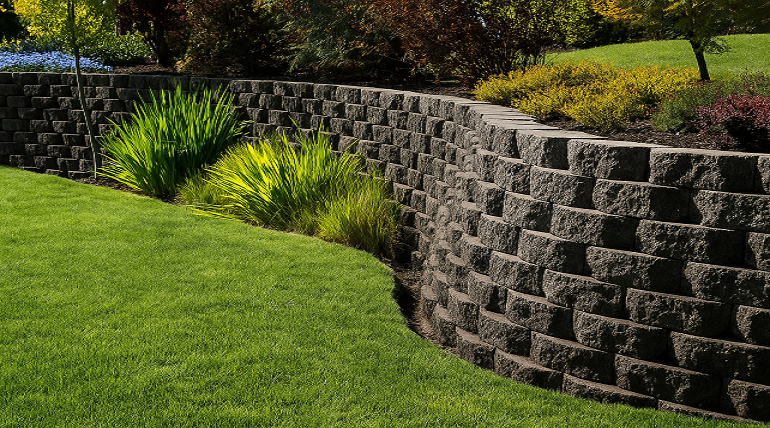
A retaining wall holds back soil and water, helping manage ground elevation changes in your yard. They can be built from various materials: concrete blocks, natural stone, brick, timber, or even decorative pavers.
The primary purposes of a retaining wall include:
- Preventing soil erosion
- Managing drainage
- Creating usable flat areas on slopes
- Enhancing landscape design and property value
DIY Retaining Walls: Pros and Cons
Many homeowners choose to take the DIY route for smaller landscaping projects. Building a small retaining wall yourself might seem like a fun weekend project but it’s not as simple as stacking stones. Let’s look at the advantages and disadvantages.
Pros of DIY Retaining Walls
- Cost Savings:
One of the biggest motivators for DIY projects is cost. By handling the labor yourself, you can save significantly on installation fees. - Creative Control:
You have the freedom to design and build the wall exactly as you envision—choosing materials, colors, and layout. - Satisfaction and Learning:
Completing a retaining wall on your own can be rewarding and provide valuable hands-on experience in landscaping.
Cons of DIY Retaining Walls
- Structural Risks:
Retaining walls requires proper engineering. Without correct drainage or base preparation, your wall could collapse over time, leading to expensive repairs. - Limited Tools and Knowledge:
Professional contractors use laser levels, plate compactors, and geogrid reinforcement materials. Most homeowners don’t have these on hand. - Drainage Mistakes:
Incorrect grading or missing drainage pipes can lead to water pressure buildup behind the wall, causing it to lean or fail. - Time-Consuming:
Even a small retaining wall can take several days for an inexperienced DIYer. Large walls require weeks of labor. - Permitting and Safety Issues:
Depending on your local regulations, walls over a certain height may require a building permit or engineering plan.
Professional Retaining Walls: Why Experts Are Worth It
When done by professionals like Frankie Garcia Landscaping, retaining walls aren’t just functional they become durable, beautiful, and long-lasting landscape features.
Benefits of Hiring a Professional
- Proper Engineering and Stability:
Professionals understand soil types, wall height restrictions, and load-bearing requirements. They design walls that can withstand heavy rain, erosion, and soil movement. - Quality Drainage Solutions:
A major reason retaining walls fail is poor drainage. Experts install gravel backfill, perforated drain pipes, and proper grading to redirect water efficiently. - Access to Better Materials and Tools:
Contractors source durable, high-quality materials at better prices and have the tools necessary for precise installation. - Time and Effort Saved:
A professional team completes the job quickly and efficiently, saving you from days or even weeks of manual labor. - Permits and Compliance:
Experienced landscapers are familiar with local building codes and permit requirements, ensuring your wall meets all regulations. - Long-Term Durability:
Professional retaining walls often come with warranties, giving you peace of mind knowing your investment is protected.
When to Call an Expert
Even if you’re confident with DIY projects, there are certain situations where it’s best to call professionals:
1. The Wall is Over 3 Feet Tall
Tall walls bear greater soil pressure and need reinforcement, proper footing, and drainage systems. These walls often require permits and engineering approval.
2. You Have Poor Soil Conditions
Clay-heavy or sandy soils behave differently under pressure. Professionals can assess and design a wall that suits your yard’s specific soil type.
3. Sloped or Water-Prone Areas
If your yard has a slope or is prone to pooling water, expert design ensures stability and drainage efficiency.
4. You Need a Structural Wall
If your wall supports a driveway, patio, or building foundation, it’s crucial to have it professionally engineered for safety.
5. You Want a High-End Design Finish
Professionals can integrate lighting, seating, planters, or decorative stonework for a polished, aesthetic look.
Common Mistakes Homeowners Make with DIY Walls
- Skipping a Solid Base Layer:
A wall is only as strong as its foundation. Many DIY builders fail to compact a proper gravel base. - Ignoring Drainage:
Water buildup behind the wall causes hydrostatic pressure that can push the wall outward. - Using Incorrect Materials:
Decorative garden blocks aren’t suitable for structural walls. Using the wrong blocks can lead to failure. - Improper Backfill:
Filling behind the wall with soil instead of gravel prevents proper drainage. - Not Accounting for Soil Pressure:
Without geogrid reinforcement or proper setback, taller walls may collapse under load.
The Professional Process: What to Expect
When you hire a professional landscaping company like Frankie Garcia Landscaping, here’s how the process typically goes:
- Site Evaluation:
Assess soil, drainage, and slope conditions. - Design & Material Selection:
Choose between concrete blocks, stone, or pavers to match your landscape design. - Excavation & Base Prep:
Create a stable, compacted gravel base. - Wall Construction:
Build in layers, using proper leveling and reinforcement. - Drainage Installation:
Add gravel backfill, perforated pipes, and outlets. - Finishing Touches:
Add caps, sealant, or integrated landscape lighting. - Inspection & Cleanup:
Ensure structural integrity and tidy completion.
DIY vs Professional: The Verdict
If your project is small and decorative, a DIY retaining wall can be a fun and cost-saving weekend project. However, for larger, load-bearing, or sloped areas, hiring professionals is the safest and most reliable choice.
Professionally built retaining walls:
- Last longer (often 20+ years)
- Require less maintenance
- Improve your property’s aesthetic and resale value
- Protect against erosion and structural failure
Final Thoughts
A retaining wall isn’t just a backyard feature, it’s a long-term investment in your property’s safety and beauty. While DIY projects can be rewarding, they come with risks when dealing with soil, drainage, and structural loads.
If you’re unsure where to start, consult the experts at Frankie Garcia Landscaping. Our experienced team designs and installs professional retaining walls that combine strength, function, and elegance tailored perfectly to Houston’s climate and your landscape needs.
Contact us today to schedule a consultation and transform your yard with a custom-built retaining wall that stands the test of time.